



-
Geotechtronics GmbH
Pollinger Str. 3 • D-82362 Weilheim i.OB -
Office hours
Mo-Sa: 9:00-18:00
The Impact of Digitalization and Automation on Product Marking: The Future of Marking Technology
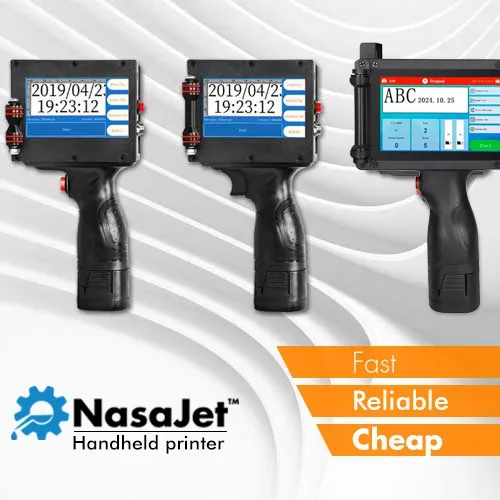
In today’s fast-paced and increasingly digital world, the importance of precise product marking has never been greater. As the global market continues to evolve, companies are looking for innovative ways to mark their products, streamline their processes, and improve overall competitiveness. This is where marking technology comes into play, combining traditional labeling techniques with modern digital solutions.
The Evolution of Marking Technology
Marking technology, also known as product marking technology, has been around for decades. Traditionally, it relied on manual processes such as printing and applying labels to identify products. However, with the rise of digitalization, the industry has undergone a significant transformation. Modern marking technology now includes advanced solutions such as RFID, NFC, and 2D barcode scanning to enable accurate and efficient product identification.
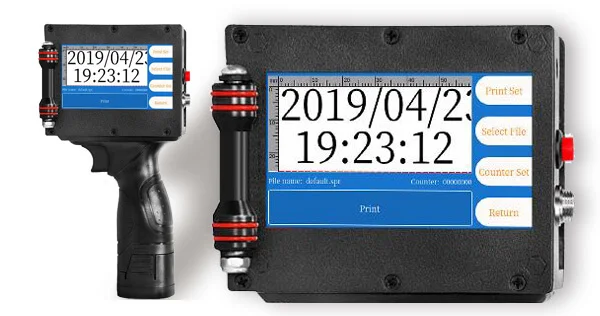
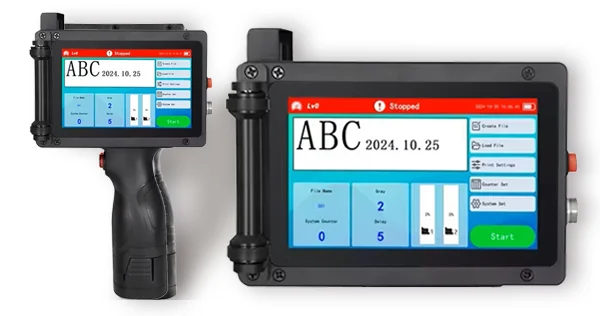
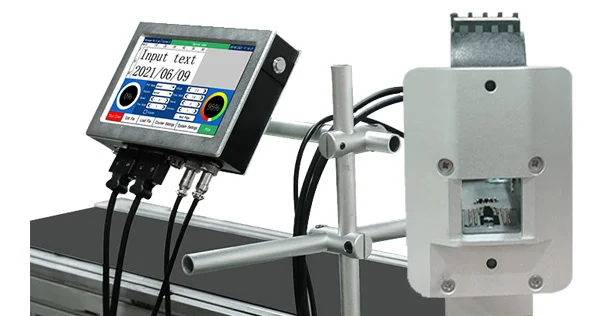
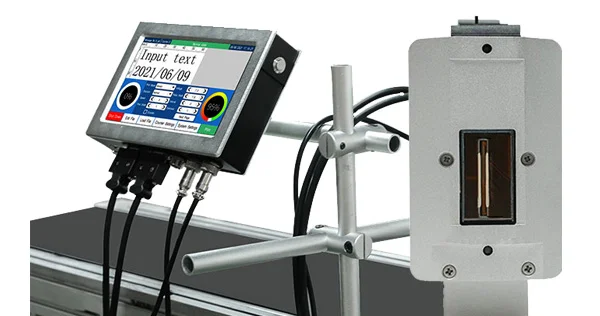
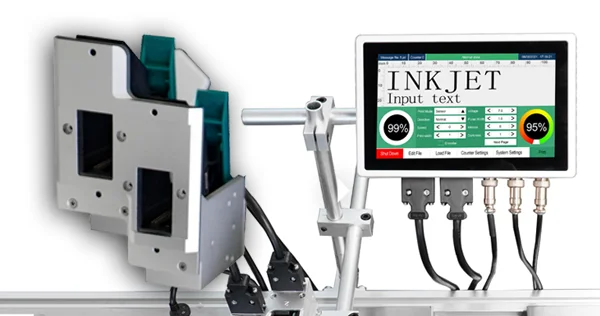
Aside from RFID, modern forms of marking still require a physical output—usually the printing of barcodes, QR codes, or Data Matrix codes. TIJ printing solutions are ideally suited for this purpose, as they enable non-contact printing, support very high speeds, and represent an economical and cost-effective marking method.
The Benefits of Digitalization and Automation
Digitalization and automation have brought numerous advantages to the field of marking technology. Some of the key benefits include:
- Increased accuracy: Digital technologies enable near-perfect accuracy in product identification, reducing errors and improving overall efficiency.
- Higher speed: Digital labeling processes are significantly faster than traditional methods, allowing companies to respond quickly to changing market demands.
- Real-time traceability: Digital technologies enable real-time tracking and monitoring of products, providing valuable insights into supply chain performance and inventory management.
- Cost savings: Digitalization helps reduce costs associated with manual labeling, inventory management, and supply chain logistics.
- Improved customer experience: Digital product marking allows customers instant access to product information, enhancing the overall user experience.
The Future of Marking Technology
As digitalization continues to shape the industry, we can expect even more innovative solutions to emerge. Some of the trends that will define the future of marking technology include:
- IoT integration: The integration of IoT technologies will enable seamless data exchange between products and systems, creating a more connected and efficient supply chain.
- Artificial intelligence: AI-powered product marking systems will become increasingly prevalent, enabling real-time analysis and optimization of marking processes.
- Cloud-based solutions: Cloud-based systems will allow companies to access and manage product marking data from anywhere and at any time.
- Augmented reality: The use of augmented reality (AR) and virtual reality (VR) will revolutionize the way products are identified and interacted with.
In summary, the convergence of marking technology and digitalization is transforming the way products are identified and managed. As companies adopt digital solutions, they benefit from increased accuracy, speed, and cost savings. The future of marking technology looks brighter than ever, making this an exciting time for businesses that want to stay ahead in this rapidly evolving field.
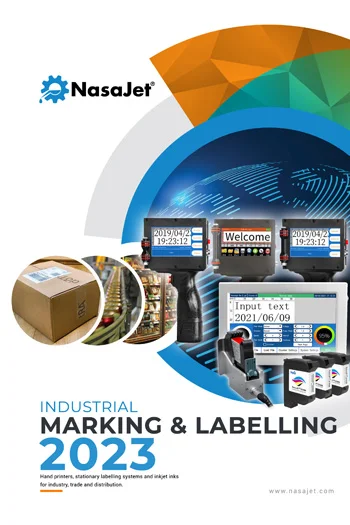
NasaJet® Brochure
"Industrial marking" 1,4 MB
NasaJet® NJ-500
Datasheet 0,5 MB
NasaJet® NJ-200
Datasheet 0,6 MB
NasaJet® NJ-100
Datasheet 0,5 MB
NasaJet® NJ-5000
Datasheet 0,5 MB
Advantages TIJ labelling
- Razor-sharp print image
- High print speeds
- Low printing costs
- Low noise level
- Practically maintenance-free
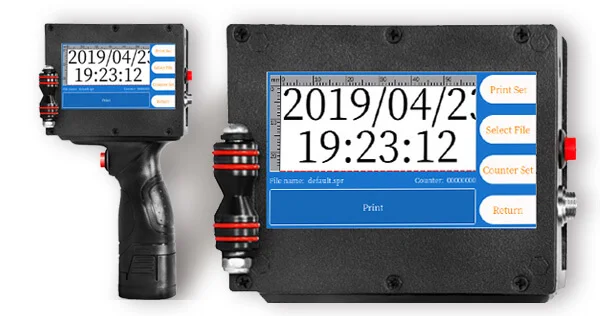
- Multiple print formats (text, date, counter, barcodes, QR codes, graphics,...)
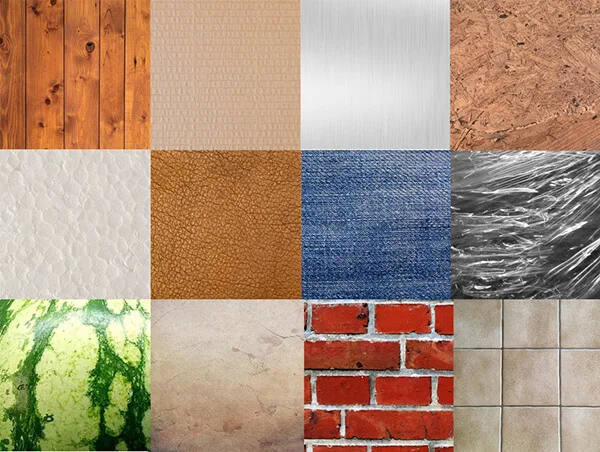
- Suitable for almost any substrate due to different inks (paper, plastic, metal, textiles,
rubber, wood,...)


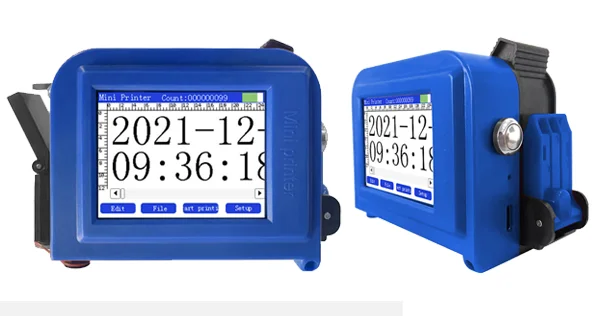

Copyright ©Geotechtronics GmbH, GERMANY • Handheld mobile printer - portable printing solution.